We work with employers to prevent, address and defend workplace issues.
We provide a solid legal framework so that our clients can make strong decisions for their business.
Our blogs address current legislation and how it affects workplaces and employees
Check out our PH Reports for in-depth analysis of key employment issues.

Workplace accommodation is rarely governed by a single set of rules. The company’s internal policies and agreements must be considered, along with any legislative obligations, including employment standards and human rights. But there can be multiple third parties involved, which may provide financial support, medical review, or adjudication regarding an employee’s needs. These third parties have overlapping (and sometimes contradictory) input about whether a leave or other accommodation is required, and about a path to a return to work.
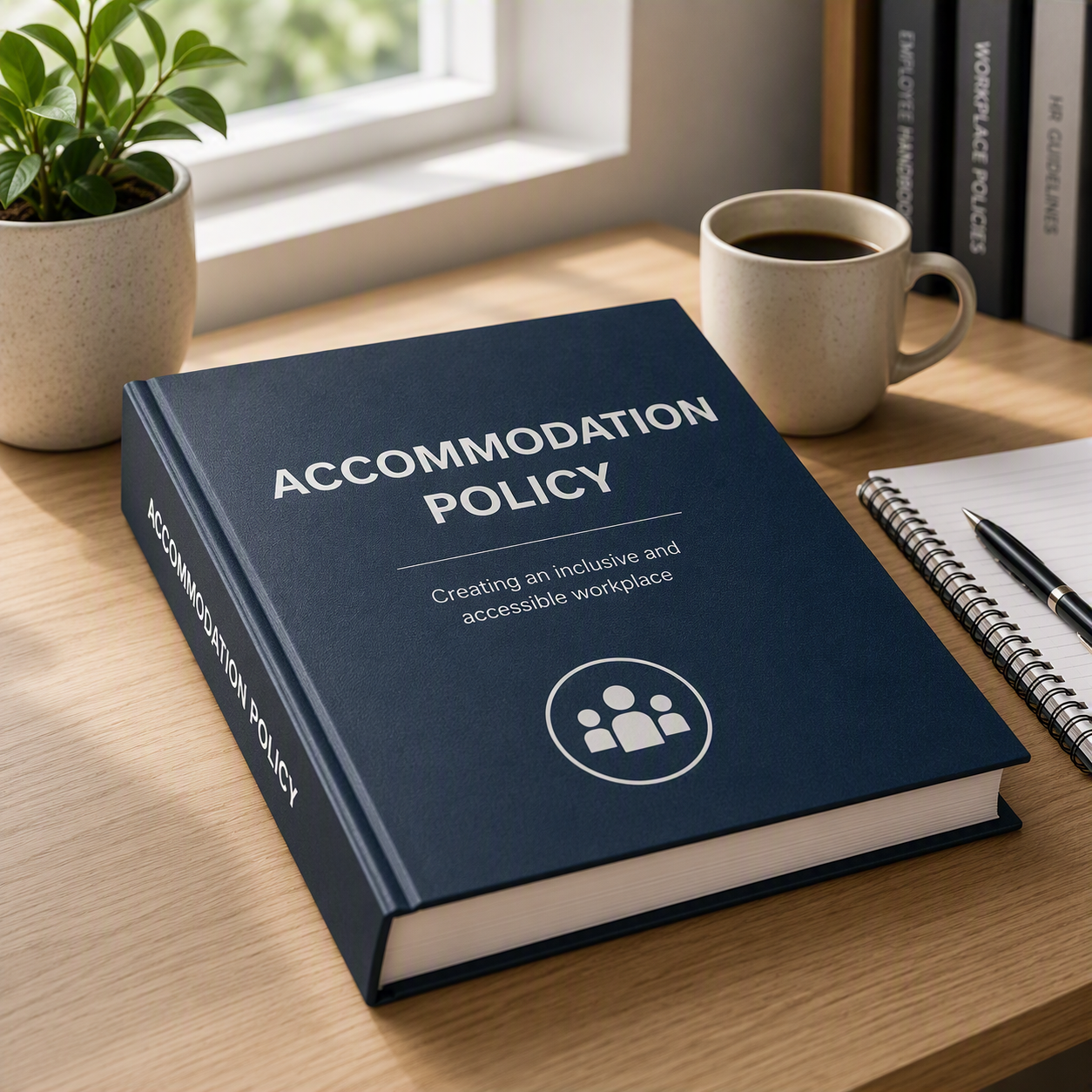
With back-to-school season upon us, it feels like the right time to go back to basics and help Forky ask a practical workplace question: “What does an employer need for an effective Accommodation Policy?”
As employers continue to refine their post-pandemic workplace strategies and the frequency of remote work requests is increasing, one question remains front and centre: when does an employee have a right to work remotely as an accommodation?
Most employers have returned to 100% in-office or hybrid work arrangements. At the same time, employees are increasingly requesting an accommodation in the form of remote work, particularly for disabilities and caregiving obligations. The reality is, however, that neither a disability nor a family status obligation creates an automatic entitlement to remote work.
Our Practice
By providing the best possible advice in a fair-minded way, we help create environments where people and businesses thrive.